


UK Economy Faces Long Road to Recovery Amid Global Uncertainty
The Carbon Cost of Conflict: How Geopolitics and Warfare Are Intensifying Climate Change
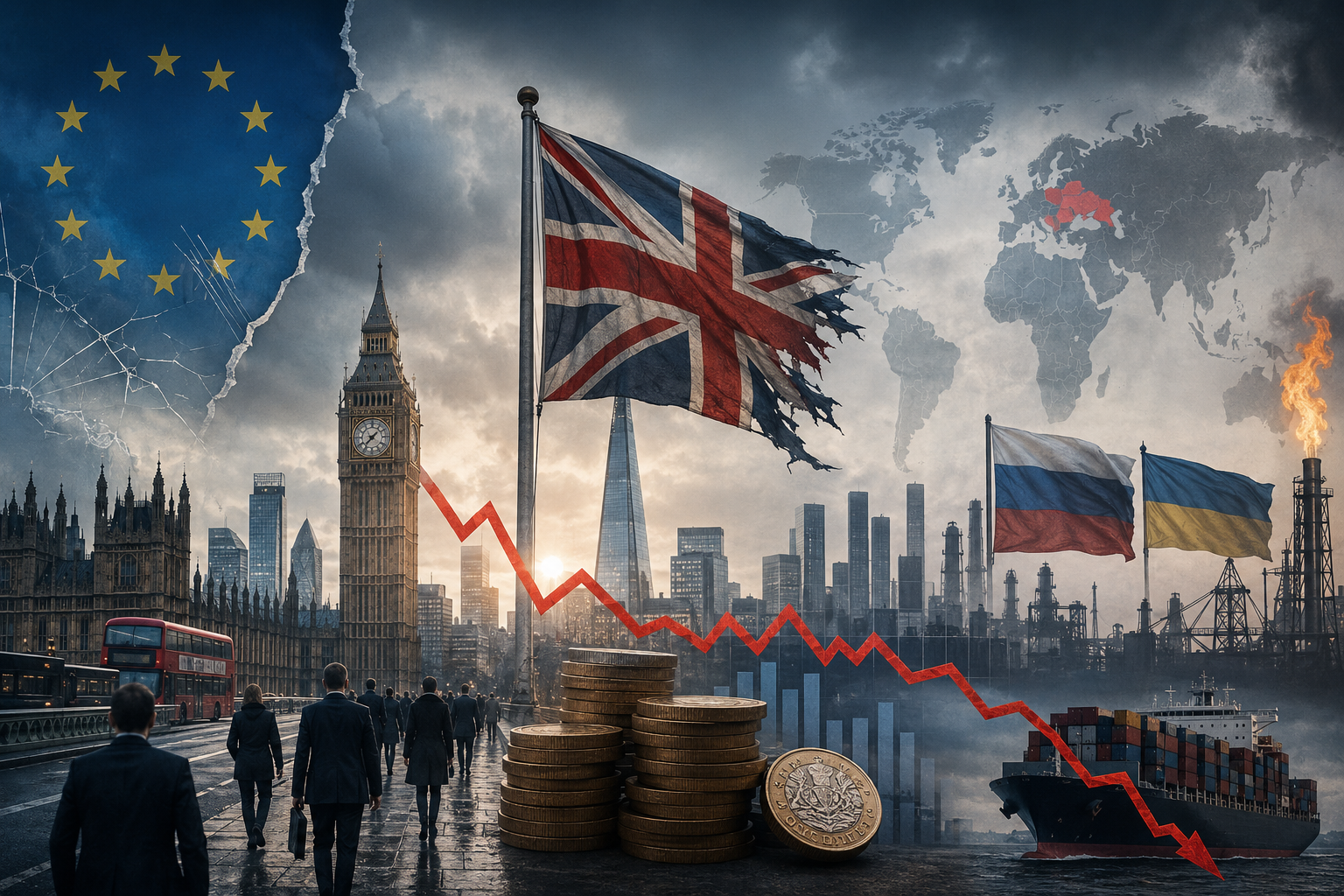
Nearly a decade after the Brexit referendum, the United Kingdom continues to face significant economic challenges as global geopolitical tensions, energy market volatility and weak productivity growth weigh on the country’s long-term economic outlook.
While the British economy has so far avoided a major recession, economists, international institutions and investment banks remain cautious about the UK’s growth prospects for 2026 and beyond.
Since leaving the European Union, the UK has faced a combination of structural and external pressures. Brexit-related trade barriers, reduced labour mobility, slower business investment and concerns over capital outflows have created long-term challenges for economic growth.
The situation became even more difficult following the Russo-Ukrainian War, which triggered a sharp rise in global energy prices and inflation across Europe. The United Kingdom, heavily dependent on imported energy, experienced one of the most severe cost-of-living crises in recent decades.
Now, fresh geopolitical tensions involving the United States, Iran and the wider Middle East are creating new concerns for policymakers and investors. Rising oil and gas prices, supply-chain disruptions and growing uncertainty in financial markets are once again threatening economic stability.
According to the latest assessment by the International Monetary Fund (IMF), the UK economy is expected to grow by around 1.0 per cent in 2026, compared with 1.4 per cent growth recorded in 2025. The IMF has warned that higher energy costs, weaker consumer spending and global financial uncertainty could continue to weigh on economic activity.
The Organisation for Economic Co-operation and Development (OECD) has also projected relatively modest growth of around 1.2 per cent in 2026, highlighting the impact of restrictive fiscal policies, high borrowing costs and weaker household consumption.
Meanwhile, the Bank of England’s latest projections suggest that UK GDP growth could slow to approximately 0.9 per cent in 2026, reflecting subdued consumer demand and weaker business investment.
Despite these modest growth forecasts, most major institutions do not currently expect the UK to enter a deep recession. However, economists warn that growth remains fragile and vulnerable to external shocks.
Several investment banks, including Goldman Sachs, JPMorgan and Barclays, have recently highlighted concerns over elevated energy prices, global trade tensions and persistently high government borrowing costs. Analysts argue that any prolonged escalation of tensions in the Middle East could further increase inflationary pressures and reduce economic growth across Europe, including the UK.
Bank of England Governor Andrew Bailey recently acknowledged that inflation could remain above the central bank’s 2 per cent target for longer than expected due to ongoing geopolitical uncertainty and rising energy costs.
The UK government has introduced a range of measures aimed at strengthening economic stability. These include tighter immigration controls, reforms to financial regulations, investment in infrastructure projects, support for domestic energy security and efforts to attract foreign investment into technology, artificial intelligence and advanced manufacturing.
Supporters of these policies argue that reducing dependence on external labour markets, improving productivity and encouraging private-sector investment could help rebuild economic confidence over the coming years.
However, critics warn that labour shortages in healthcare, hospitality, transport and social care continue to pose significant risks. Business groups have also expressed concerns that higher energy prices and weak consumer spending may limit the effectiveness of government reforms.
Looking ahead, many economists believe the UK economy is likely to avoid a severe recession but may remain trapped in a period of slow growth and modest productivity gains.
The IMF has stated that Britain remains a resilient economy, supported by strong financial institutions, a globally significant services sector and growing opportunities in technology and green energy. Nevertheless, the organisation emphasises that long-term success will depend on improving productivity, increasing investment and strengthening energy security.
For investors and businesses, the outlook for 2026 remains one of cautious optimism. While the worst of the inflation crisis may be easing, the combination of global geopolitical tensions, energy market uncertainty and post-Brexit structural adjustments means that the UK’s economic recovery is likely to remain gradual rather than dramatic.
As Britain navigates a rapidly changing global economic landscape, the coming years may prove crucial in determining whether the country can return to stronger and more sustainable growth.
Share this post :
Facebook
Twitter
LinkedIn
Pinterest
Latest News
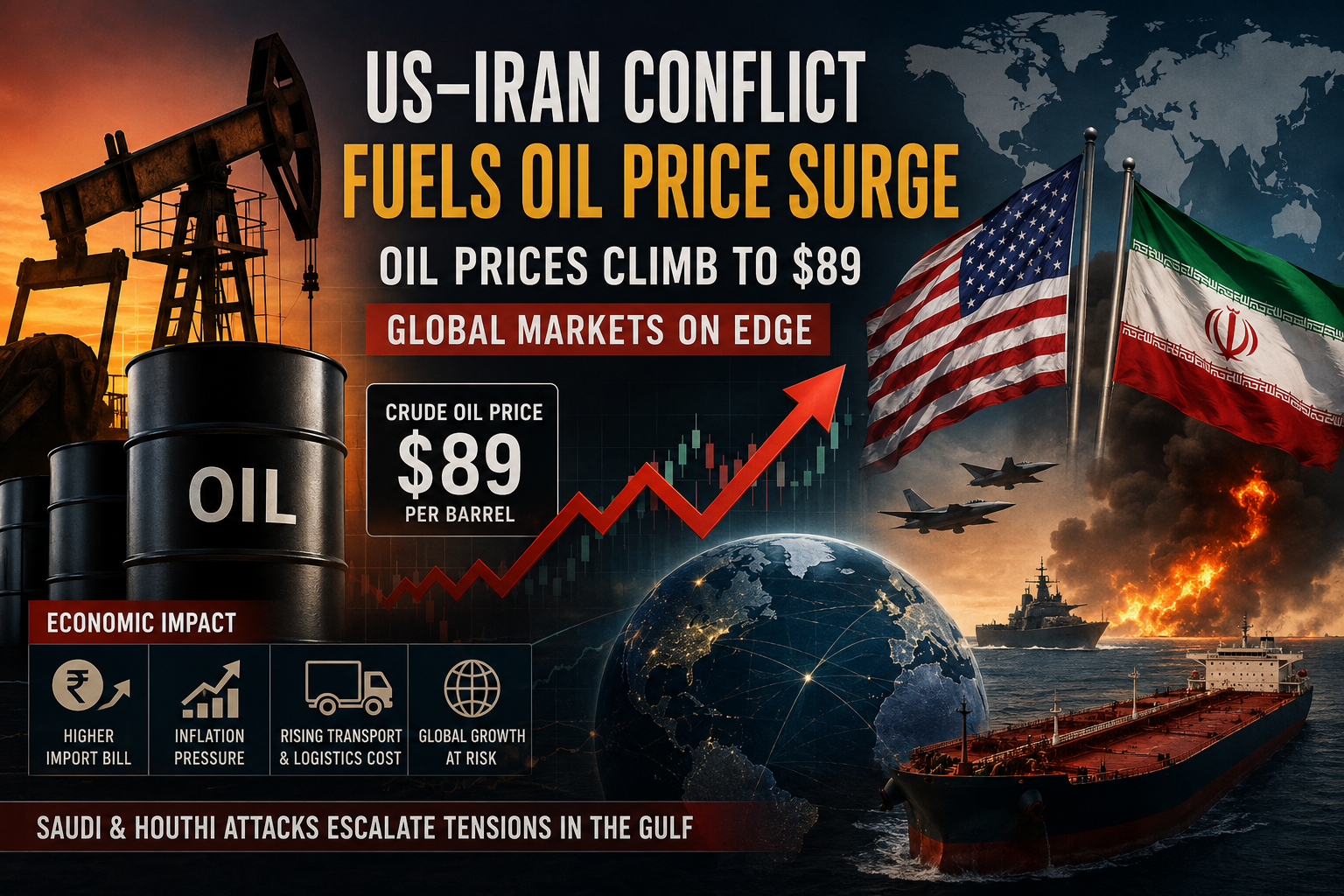
Escalating US-Iran Conflict Sends Oil Prices Higher: What It Means for India and the Global Economy
July 25, 2026
No Comments

Bollywood Voices Support Students, But the Debate Returns to Education Reform
July 25, 2026
No Comments

India’s Student Revolt: Beyond Political Blame, the Nation Needs Educational Reform
July 24, 2026
No Comments