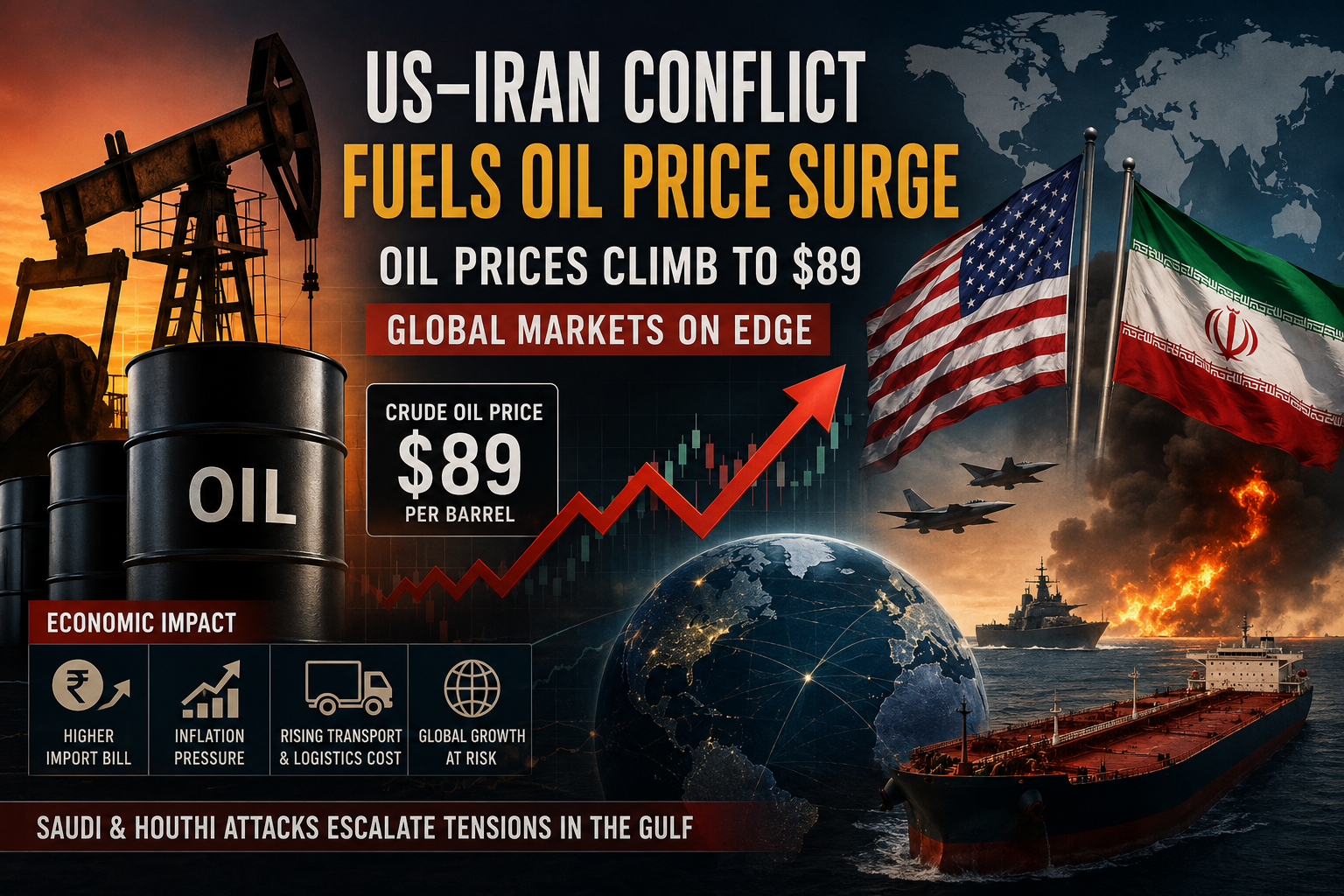
Military conflicts, disruptions to fossil fuel supplies, and natural climatic events are converging to create a significant threat to global climate stability. While international organisations continue to advocate rapid decarbonisation, the realities of modern warfare and the economic disruptions that follow are driving greenhouse gas emissions to increasingly alarming levels.
The environmental consequences of ongoing conflicts in Ukraine and the Middle East, coupled with a renewed reliance on coal-fired power generation, have created a substantial cumulative carbon footprint. This damage is occurring at a time when the global climate system is already under pressure from the effects of El Niño and rising temperatures.
The Frontline Carbon Footprint: Warfare as a Source of Climate Pollution
Modern military operations generate significant volumes of greenhouse gas emissions. According to data compiled by the Initiative on GHG Accounting of War, the first three years of Russia’s invasion of Ukraine produced more than 230 million metric tonnes of carbon dioxide equivalent (MtCO₂e). This exceeds the annual emissions of several industrialised nations, including Austria and the Netherlands.
Estimated Carbon Footprint of Recent Conflicts (MtCO₂e)
Conflict | Estimated Emissions |
Ukraine War (First Three Years) | ~230 million tonnes |
Gaza Conflict (Direct and Indirect) | ~33.2 million tonnes |
Sources: Initiative on GHG Accounting of War; ScienceDirect (2026)
The environmental impact of these conflicts arises from several key sources:
- Direct Military Operations: Tanks, fighter aircraft, naval vessels and drones consume vast quantities of petroleum-based fuels.
- Destruction of Natural Ecosystems: Bombardment and military activity have triggered extensive forest and wetland fires, accounting for approximately 22–23% of the Ukraine conflict’s carbon footprint while simultaneously destroying important carbon sinks.
- Release of Potent Greenhouse Gases: Damage to electrical infrastructure has resulted in the release of sulphur hexafluoride (SF₆), a greenhouse gas approximately 24,000 times more potent than carbon dioxide.
Simultaneously, conflict in Gaza, Israel and the wider Middle East has intensified environmental pressures across the region. Research published in ScienceDirect estimates that the Gaza conflict has generated approximately 33.2 million tonnes of CO₂ equivalent, including emissions from military operations, weapons supply chains, and the reconstruction of damaged infrastructure.