


Iran-US Deadlock Sparks Fresh Oil Market Concerns
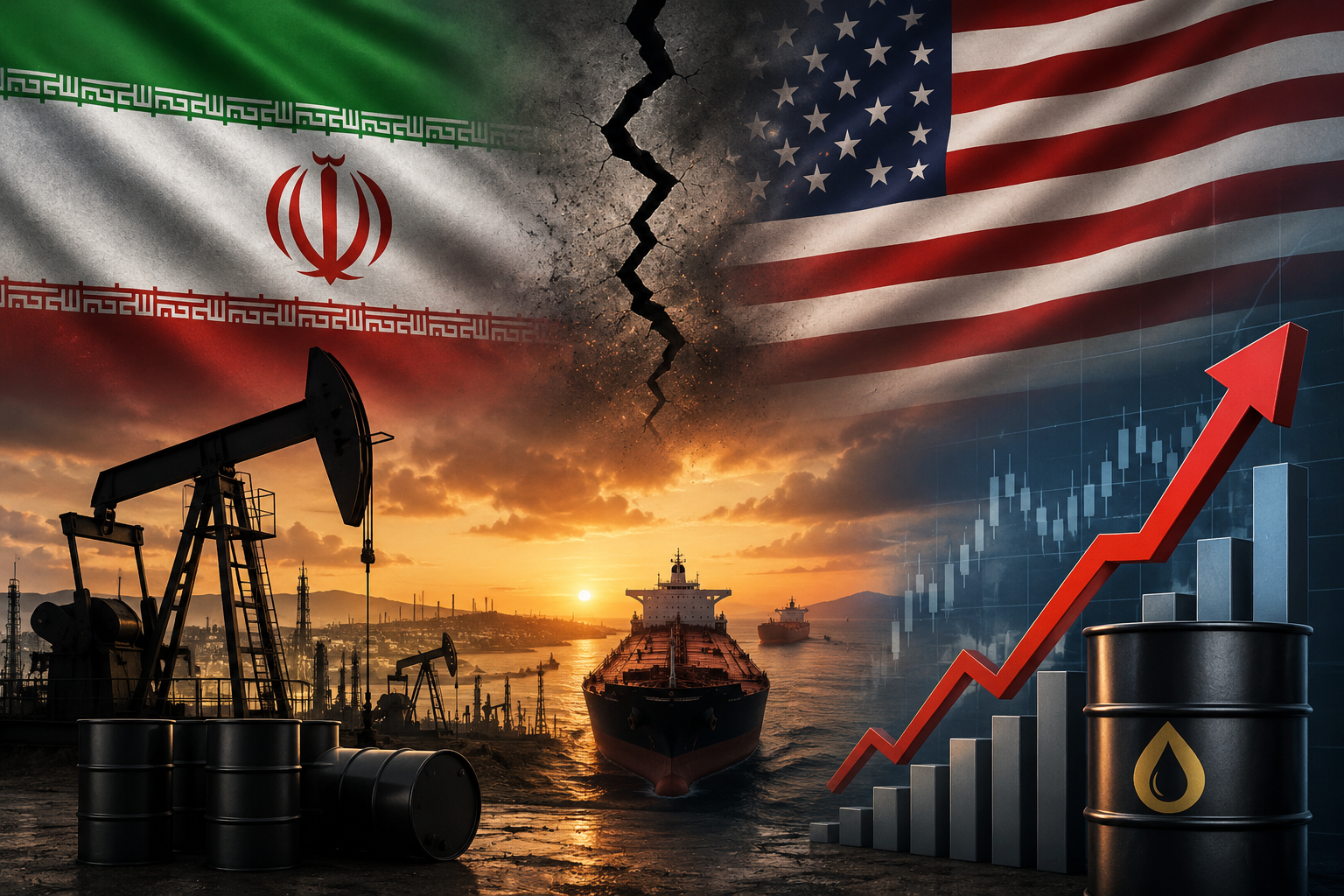
Fresh tensions in the Middle East have reignited concerns across global energy markets after Iran reportedly suspended indirect ceasefire communications with the United States and renewed military activity involving Kuwait and other Gulf states.
International news agencies and energy analysts have warned that any prolonged breakdown in diplomacy between Iran and the United States could have significant consequences for global energy markets. Reuters reported that oil prices rose as traders assessed the risk of supply disruptions and the possibility of renewed threats to shipping through the Strait of Hormuz. The agency noted that markets remain highly sensitive to developments involving Iran because of the country’s strategic position in the Gulf and its influence over one of the world’s most important energy transit routes.
Analysts quoted by Reuters have suggested that continued instability could add a substantial geopolitical risk premium to crude oil prices, particularly if tanker traffic or energy infrastructure becomes a target of military action.
Why the Middle East Matters to Global Energy Markets
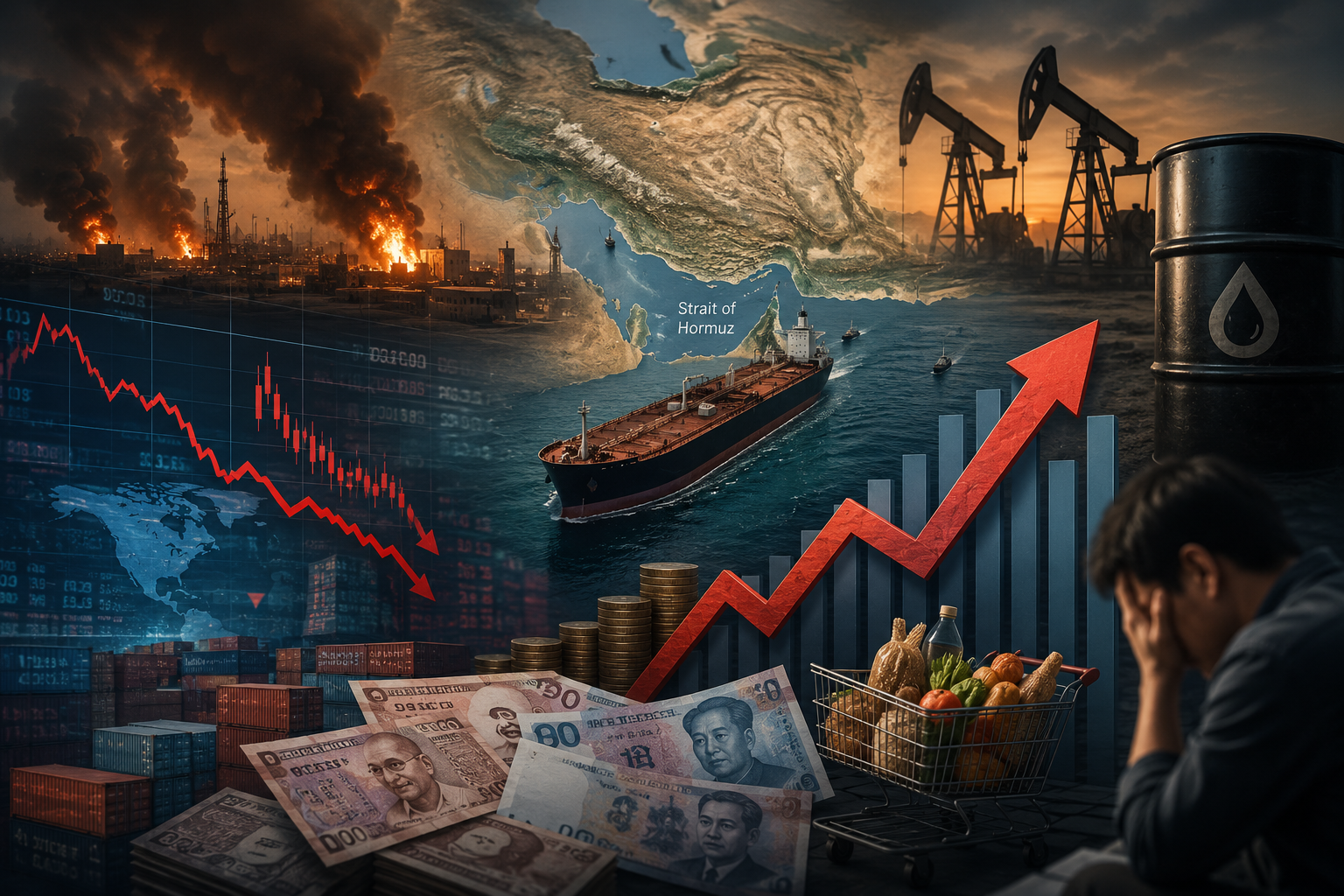
The Middle East remains the world’s most important energy-producing region, supplying a significant share of global crude oil and liquefied natural gas (LNG). A substantial proportion of these exports passes through the Strait of Hormuz, one of the world’s most strategically important maritime chokepoints.
Any escalation involving Iran and the Gulf states increases the risk of disruption to shipping traffic through the Strait, which carries a significant percentage of internationally traded oil and gas supplies. Market analysts warn that prolonged instability could tighten global energy supplies and place upward pressure on prices.
Impact on Asian Countries
Asian economies are among the most vulnerable to disruptions in Middle Eastern energy supplies.
Countries such as India, China, Japan and South Korea rely heavily on crude oil and LNG imports from the Gulf region. Any interruption to shipping routes or production facilities could result in higher import costs and increased energy insecurity.
For India, which imports the majority of its crude oil requirements, sustained increases in oil prices could lead to:
- Higher petrol and diesel prices;
- Rising transportation and logistics costs;
- Increased fertiliser prices, affecting agriculture;
- Higher inflation across the economy; and
- Additional pressure on government finances and subsidy programmes.
China, Japan and South Korea could face similar challenges, particularly if shipping delays and insurance costs continue to rise.
Analysts believe that if tensions continue to escalate, Brent crude prices could remain close to, or above, the psychologically important US$100-per-barrel level.
Global Economic Consequences
The implications extend well beyond the Middle East and Asia. Higher energy prices typically increase production and transportation costs worldwide, contributing to inflation and slowing economic growth.
Several international economic organisations have warned that prolonged disruption to Gulf energy supplies could weaken global growth and increase recession risks in energy-dependent economies. Asian nations, given their dependence on imported fuel, would likely experience some of the most immediate economic effects.
Uncertainty Remains
Despite reports that Iran has suspended indirect communications with Washington, US officials continue to indicate that negotiations have not completely collapsed and that diplomatic channels remain open. As a result, markets remain highly sensitive to any developments that could either revive peace efforts or trigger further escalation.
For now, governments, investors and energy companies across Asia are closely monitoring events in the Gulf. The outcome of the current crisis could determine not only the future of regional stability but also the direction of global energy prices and economic growth in the months ahead.
Share this post :
Facebook
Twitter
LinkedIn
Pinterest
Latest News

Mega IPOs of OpenAI and SpaceX Could Redefine Global Markets and the Future of Innovation
June 10, 2026
No Comments
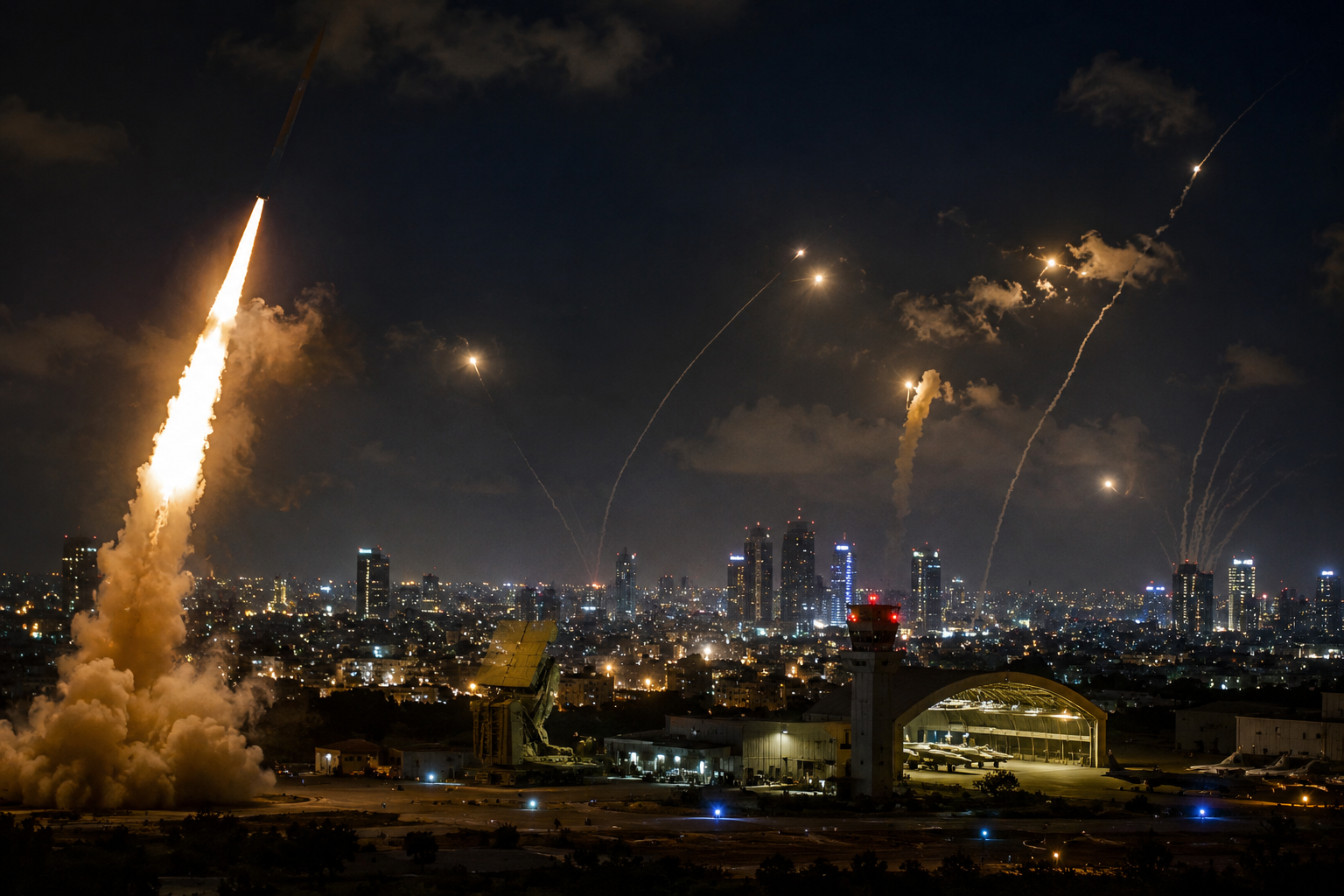
Iran Missile Strikes on Israeli Air Bases Raise Fears of Renewed Regional Conflict
June 9, 2026
No Comments