


US-Iran Tensions Return Despite Peace Deal, Shaking Global Markets and Raising Fresh Fears for the Middle East
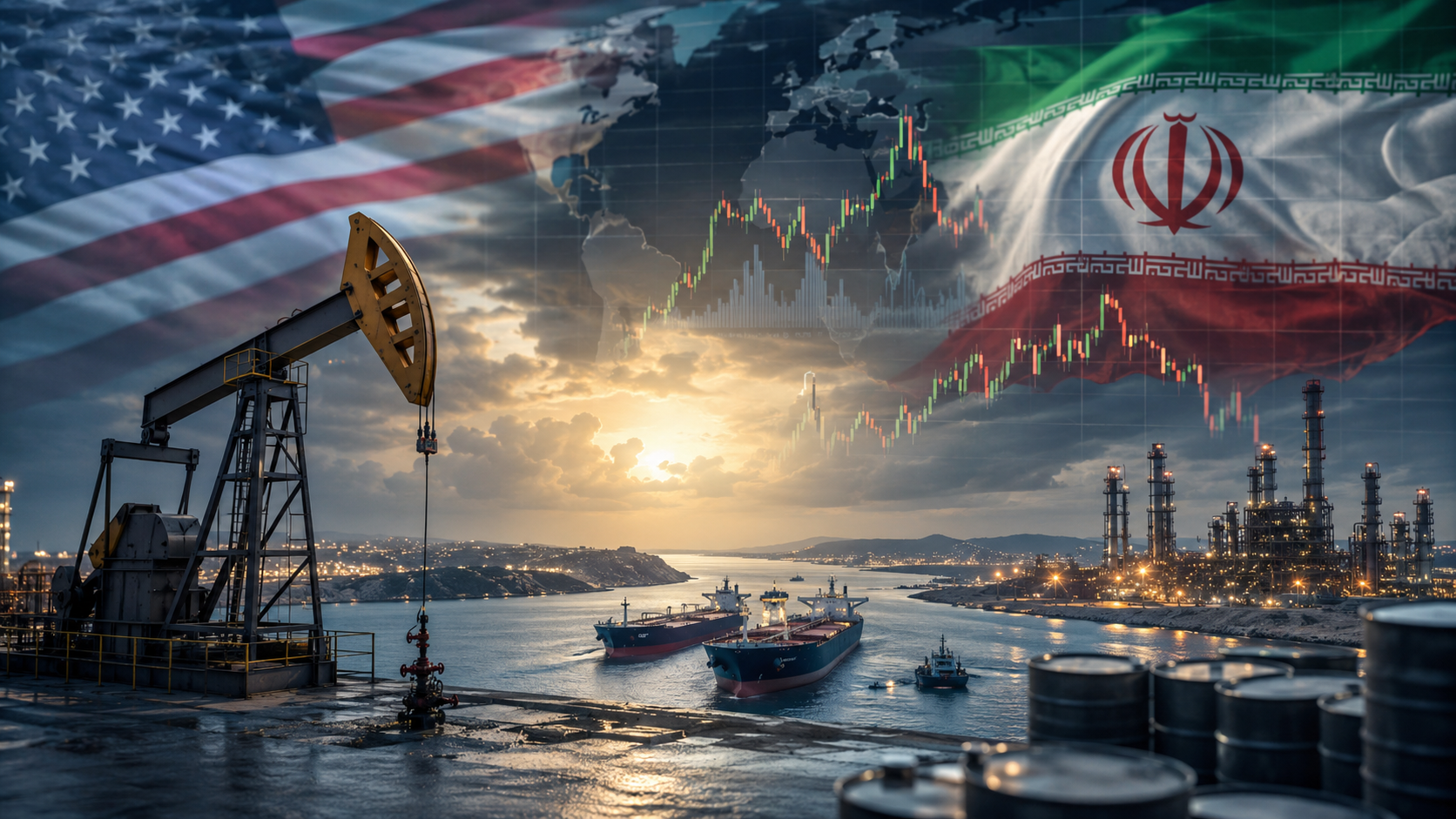
A fragile period of optimism has once again given way to uncertainty as tensions between the United States and Iran have re-emerged despite both nations having previously agreed to a peace framework intended to reduce hostilities and restore regional stability. Renewed military exchanges and increasingly confrontational political statements have unsettled global investors, reigniting concerns over energy security, inflation and geopolitical risk.
Financial markets reacted swiftly. Equity indices across Asia, Europe and North America turned volatile, while investors shifted towards traditional safe-haven assets such as gold and the US dollar. Oil prices surged by more than five per cent amid fears that the conflict could once again disrupt crude oil supplies passing through the Strait of Hormuz, one of the world’s most strategically important maritime trade routes.
A Peace Deal That Failed to Deliver Lasting Stability
The earlier understanding between Washington and Tehran had been welcomed by governments, businesses and financial markets alike. The agreement aimed to reduce military confrontation, reopen vital shipping routes and resume diplomatic negotiations over sanctions and Iran’s nuclear program me.
However, recent developments suggest that the agreement has begun to unravel. Allegations of violations by both sides, attacks on commercial shipping and renewed military operations have significantly weakened confidence in the diplomatic process. Senior US officials have declared that the ceasefire arrangement has effectively collapsed, while Iran has accused Washington of failing to honors its commitments.
Investors Lose Confidence
Global investors generally place a premium on political stability and policy certainty. When major geopolitical agreements break down within weeks of being signed, markets begin to question whether future diplomatic commitments can be relied upon.
This uncertainty has several consequences:
- Increased volatility in global equity markets.
- Higher demand for safe-haven assets including gold and government bonds.
- Rising insurance costs for shipping and international trade.
- Greater caution among multinational corporations considering investment in the region.
- Increased risk premiums for emerging markets.
Although financial markets have become more resilient to geopolitical shocks over recent years, repeated escalations erode investor confidence and encourage capital to move towards lower-risk assets.
The Strait of Hormuz: The World’s Energy Chokepoint
The greatest economic concern remains the security of the Strait of Hormuz.
Approximately one-fifth of the world’s oil consumption and a substantial proportion of global liquefied natural gas exports pass through this narrow waterway connecting the Persian Gulf with international markets. Even limited disruptions can have immediate consequences for energy prices worldwide.
Should military activity intensify, shipping companies may reduce or suspend operations through the area, increasing freight costs and delaying global energy supplies. Oil-importing nations across Asia—including India, China, Japan and South Korea—would be particularly vulnerable to prolonged disruptions.
Economic Risks for Middle Eastern Countries
While international attention often focuses on global oil prices, the Middle East itself stands to suffer some of the greatest economic damage if hostilities continue.
Oil-exporting economies
Countries such as Saudi Arabia, the United Arab Emirates, Kuwait, Iraq and Qatar rely heavily on uninterrupted energy exports. Prolonged instability could reduce export volumes, increase security costs and delay investment in new energy infrastructure.
Foreign investment
International investors typically avoid regions experiencing military conflict. New investment projects in manufacturing, logistics, tourism and technology may be postponed until geopolitical conditions improve.
Tourism and aviation
Airspace restrictions and security concerns could reduce passenger traffic across the Gulf, affecting airlines, hotels, retail businesses and tourism-related employment.
Supply chains
Ports across the Gulf are essential gateways for global trade. Any disruption would increase transportation costs, extend delivery times and contribute to inflation worldwide.
Fiscal pressure
Governments may be forced to increase defence expenditure while simultaneously supporting domestic economies affected by slower growth and weaker investor confidence.
Could Oil Prices Rise Further?
Energy analysts suggest that much depends on whether shipping through the Strait of Hormuz remains uninterrupted.
If crude exports continue to flow normally, oil prices may remain elevated but manageable. However, any sustained disruption to shipping or damage to production facilities could push prices significantly higher, adding renewed inflationary pressure to the global economy.
Higher oil prices would increase transportation costs, manufacturing expenses and household energy bills across many countries, complicating the efforts of central banks that have only recently begun to gain control over inflation.
Diplomacy Remains the Only Sustainable Solution
History demonstrates that military confrontation rarely produces lasting economic stability. Every escalation increases uncertainty, discourages investment and places additional pressure on businesses and consumers alike.
The Middle East remains central to global energy security, international trade and financial stability. Any prolonged conflict risks extending far beyond the region, affecting inflation, economic growth and financial markets across every continent.
For investors, businesses and policymakers alike, the priority is no longer simply monitoring military developments but assessing whether diplomatic channels can be restored before economic damage becomes more severe.
The collapse of trust between nations often proves more costly than the conflict itself. Restoring credibility through sustained diplomacy will be essential if global markets are to regain confidence and the Middle East is to avoid another prolonged period of economic uncertainty.
Share this post :
Facebook
Twitter
LinkedIn
Pinterest
Latest News

Can America Really Isolate Iran? The Limits of Economic Warfare in a Divided World
August 27, 2026
No Comments

Artificial Intelligence Must Serve Humanity, Not Just Shareholders
August 7, 2026
No Comments

Is India’s Young Generation Preparing to Overturn Traditional Politics?
August 4, 2026
No Comments