


US–Iran Peace Deal: A Diplomatic Breakthrough or Simply a Pause Before the Next Crisis?
Potential public listings by two of the world’s most influential technology companies may reshape investment trends, capital flows and the global economic landscape.
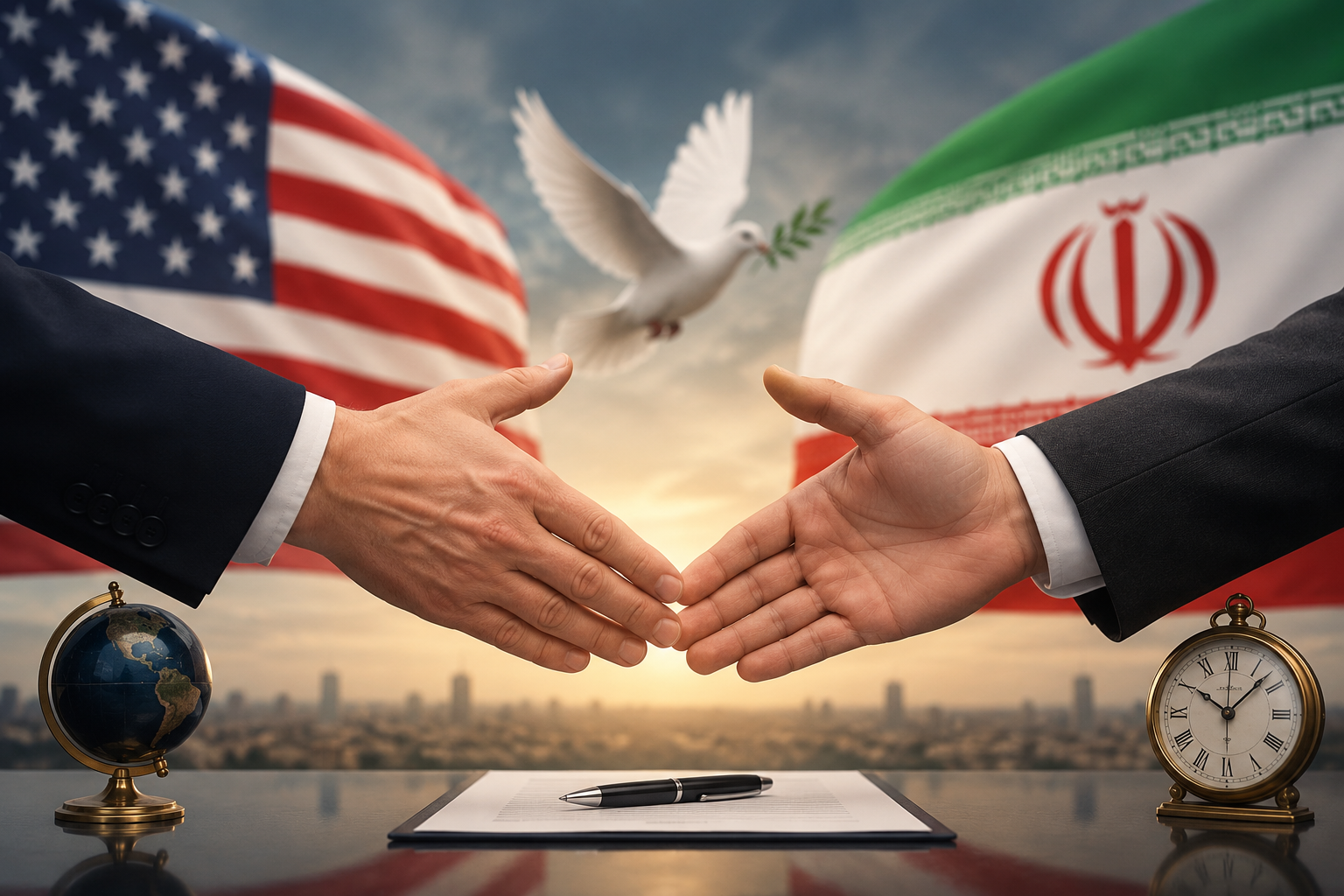
The announcement of a new framework agreement between the United States and Iran has been welcomed across international markets and diplomatic circles as an important step towards reducing tensions in one of the world’s most volatile regions. After months of military escalation, threats to global energy supplies and growing fears of a wider regional conflict, the prospect of dialogue replacing confrontation is undoubtedly positive.
Yet, while the agreement represents meaningful diplomatic progress, it would be premature to describe it as a comprehensive peace deal. Rather, it should be viewed as an opportunity to prevent further conflict while laying the foundations for more difficult negotiations still to come.
A Deal Focused on Immediate Stability
The reported framework seeks to achieve several immediate objectives. It aims to halt direct hostilities between Washington and Tehran, secure the safe passage of commercial shipping through the Strait of Hormuz, restart negotiations over Iran’s nuclear programme and create a pathway for phased sanctions relief if agreed conditions are met.
For the global economy, these developments are significant. Any reduction in the risk of disruption to Middle Eastern oil exports helps ease pressure on energy markets, lowers inflationary risks and improves confidence among investors. The agreement has already contributed to greater stability in financial markets compared with the uncertainty witnessed during the recent conflict.
Diplomatically, the willingness of both sides to return to negotiations demonstrates that neither Washington nor Tehran wishes to bear the economic and political costs of prolonged confrontation.
The Missing Piece: Israel
The most significant challenge facing the agreement is the absence of Israel as a direct participant in the negotiations.
Israel has consistently maintained that its primary security concerns extend well beyond Iran’s nuclear activities. These include Iran’s ballistic missile programme, its support for armed groups across the Middle East and the broader regional security architecture.
Without addressing these issues, Israel is unlikely to regard the agreement as sufficient to guarantee its long-term security. While the United States remains Israel’s closest strategic ally, Washington will now face the delicate task of reassuring Israel while continuing diplomatic engagement with Iran.
Maintaining that balance will require considerable political skill. Any perception that Israeli security interests have been overlooked could place additional strain on an already fragile agreement.
Difficult Questions Remain Unanswered
History suggests that ceasefires and interim agreements often prove easier to negotiate than comprehensive peace settlements.
Several of the most contentious issues remain unresolved, including the future limits of Iran’s uranium enrichment programme, the scope of international inspections, regional proxy conflicts, ballistic missile development and the pace of sanctions relief.
These are not technical disagreements that can be resolved quickly. They reflect decades of deep mistrust between the parties and will require sustained diplomatic engagement over many months, if not years.
The Economic Incentive for Peace
One factor working in favour of the agreement is economics.
Iran requires economic recovery and greater access to international markets. The United States seeks regional stability, lower energy price volatility and reduced military commitments in the Middle East. European nations also have strong interests in secure energy supplies and uninterrupted global trade.
These shared economic interests create a powerful incentive for all sides to preserve the current framework, even where political differences remain substantial.
Is This a Lasting Peace?
At present, the agreement should be regarded as a ceasefire framework rather than a final peace settlement.
Its success will ultimately depend on whether both sides fully implement their commitments, whether effective verification mechanisms are maintained and whether future negotiations can resolve the more politically sensitive issues that have been deferred.
Most importantly, any lasting regional settlement is unlikely to succeed without broader acceptance from Israel and greater engagement with other key Middle Eastern partners.
Editorial Assessment
This agreement deserves cautious optimism rather than celebration.
It has reduced the immediate risk of a wider regional war, reassured global energy markets and reopened diplomatic channels that had appeared close to collapse. Those achievements should not be underestimated.
However, diplomacy should not be confused with resolution. Many of the underlying disputes that fuelled the crisis remain unresolved. The coming months will determine whether this agreement becomes the first chapter of a lasting peace or simply another temporary pause before tensions return.
For now, the world has gained valuable time. Whether political leaders use that time wisely will determine whether this moment is remembered as the beginning of genuine reconciliation or merely another brief intermission in one of the Middle East’s longest-running geopolitical confrontations.
Share this post :
Facebook
Twitter
LinkedIn
Pinterest
Latest News

₹22,006 Crore vs ₹6.25 Crore: Inside the Subhash Chandra Insolvency Controversy
September 1, 2026
No Comments

Can America Really Isolate Iran? The Limits of Economic Warfare in a Divided World
August 27, 2026
No Comments

Artificial Intelligence Must Serve Humanity, Not Just Shareholders
August 7, 2026
No Comments