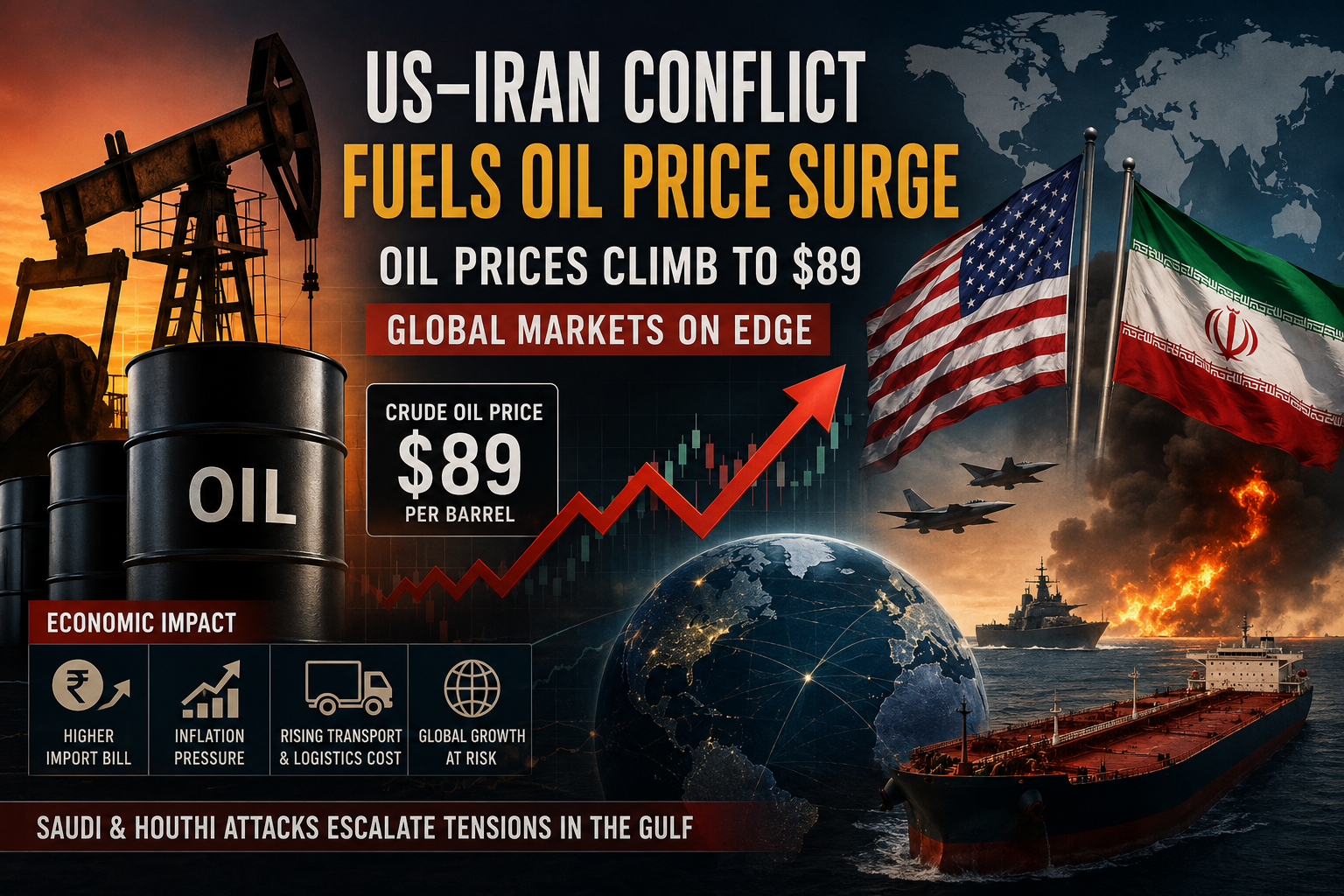
Rising tensions between the United States and Iran have taken a more dangerous turn, with critics warning that the latest actions by Donald Trump are accelerating the region toward open conflict. A series of naval confrontations in the Strait of Hormuz—already one of the world’s most volatile chokepoints—has underscored fears of a rapidly widening war.
In recent days, US Navy destroyers have increased their presence in the strait, escorting commercial vessels and engaging with Iranian patrol units. Washington has framed the deployment as a necessary step to secure global shipping lanes. However, analysts argue that the aggressive posture risks provoking further retaliation from Tehran, especially after reports of drone interceptions and near-miss missile encounters.
Iran has responded with sharp warnings, asserting its sovereignty over regional waters and accusing the US of violating a fragile ceasefire. Iranian state media claims its forces have successfully challenged US naval movements, though American officials deny any direct hits. The conflicting narratives highlight the growing fog of confrontation, where perception can quickly become a trigger for escalation.
At the center of the crisis is a broader strategic shift driven by Trump’s emphasis on military deterrence over diplomacy. The expansion of naval operations, coupled with rhetoric signaling zero tolerance for Iranian interference, has narrowed the space for de-escalation. Critics, including former diplomats and security experts, caution that such moves risk turning tactical encounters into strategic miscalculations.
The economic stakes are equally high. The Strait of Hormuz carries nearly a fifth of global oil supply, and even limited disruptions have already pushed energy markets into volatility. A sustained conflict could send shockwaves through the global economy.
With diplomatic channels stalled and military activity intensifying, observers warn that the current trajectory—shaped in large part by Washington’s assertive strategy—may be bringing the region closer to a conflict neither side can fully control.