


Lower Oil Prices Could Give India Its Strongest Economic Tailwind in Years
Potential public listings by two of the world’s most influential technology companies may reshape investment trends, capital flows and the global economic landscape.
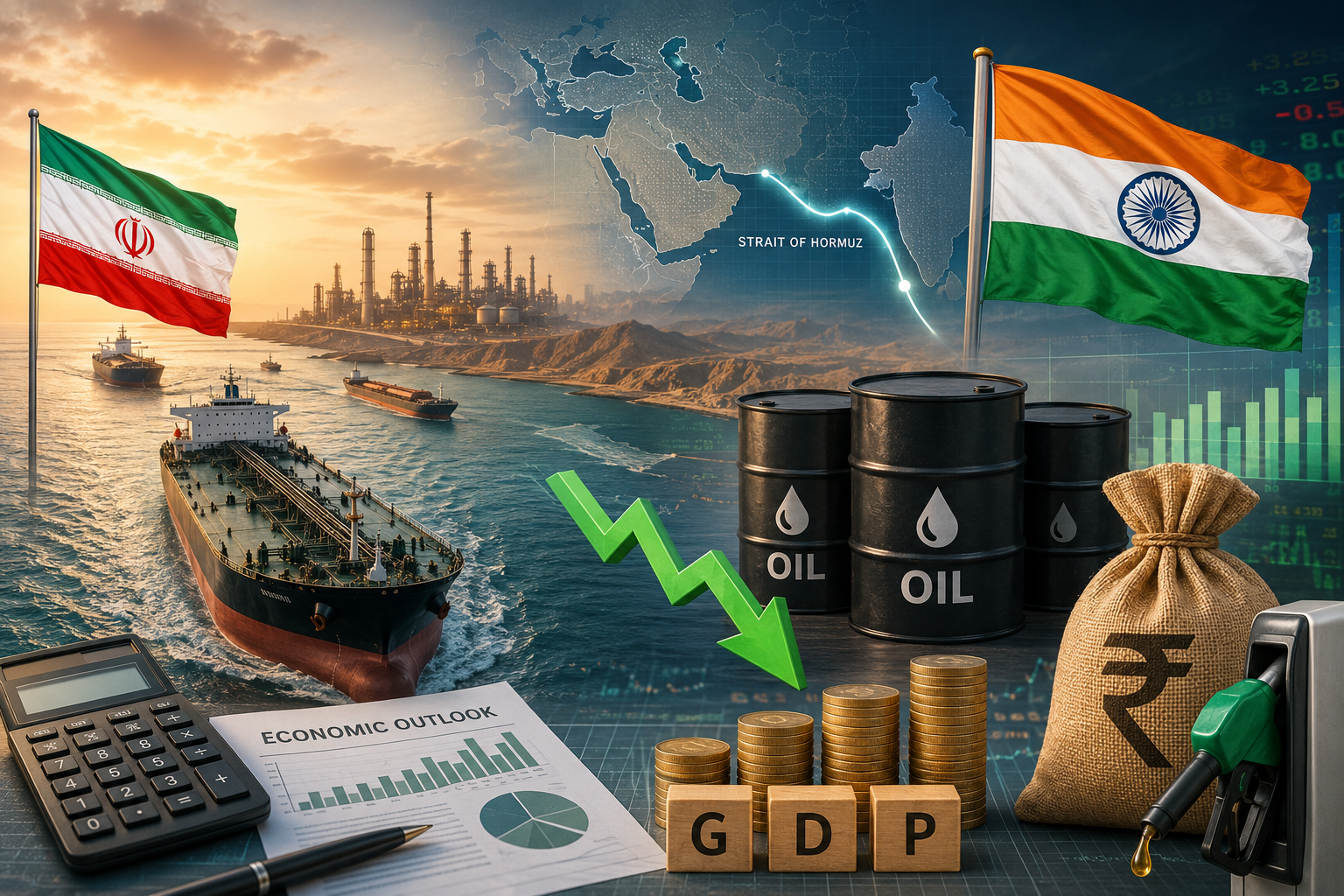
The easing of tensions in the Middle East has brought renewed optimism to global financial markets and raised hopes that the world economy may avoid another energy-driven inflationary shock. With commercial shipping continuing through the Strait of Hormuz and the prospect of additional Iranian crude oil entering international markets under temporary sanctions relief, oil prices have retreated from their recent highs.
For India, one of the world’s largest energy importers, sustained lower crude oil prices could provide one of the most significant economic tailwinds in recent years. While much depends on the durability of the ceasefire and future diplomatic negotiations, a prolonged period of Brent crude trading between US$60 and US$70 per barrel would strengthen India’s macroeconomic outlook across several key indicators.
A Lower Oil Import Bill
India imports around 85 per cent of its crude oil requirements, making international oil prices a critical driver of economic performance. Every sustained decline in crude prices reduces the country’s import bill, eases pressure on foreign exchange reserves and narrows the current account deficit.
Should Brent crude average around US$60 per barrel, India’s annual oil import bill could fall by an estimated US$25–30 billion compared with a scenario where prices remain near US$75 per barrel. Such savings would improve India’s balance of payments and strengthen the country’s external financial position.
Lower demand for foreign currency to pay for oil imports would also help support the Indian rupee, reducing imported inflation and improving investor confidence.
Stronger Economic Growth
Lower energy prices reduce operating costs across almost every sector of the economy. Manufacturers benefit from cheaper fuel and transportation, logistics companies see improved margins, airlines experience lower aviation fuel costs, while industries such as chemicals, cement, paints and consumer goods gain from lower raw material expenses.
These savings encourage businesses to expand investment and production while allowing households to retain more disposable income.
Economic analysts estimate that if Brent crude remains in the US$60–65 per barrel range throughout the financial year, India’s GDP growth could strengthen towards 7 per cent or slightly above, compared with growth of around 6.5 per cent under higher oil price assumptions.
Inflation Could Ease Further
Energy costs influence almost every product and service in the economy through transportation, manufacturing and supply chains. Lower crude prices therefore have a broad impact on inflation.
If international oil prices remain subdued, India’s Consumer Price Index (CPI) inflation could ease towards 3.2–3.9 per cent, comfortably within the Reserve Bank of India’s inflation target range.
Lower inflation would also support consumer spending while providing greater policy flexibility for the central bank.
Improved Public Finances
Cheaper oil also benefits government finances.
Lower international energy prices reduce subsidy expenditure on LPG and fertilisers while supporting stronger economic activity, which can boost tax revenues through higher consumption and corporate profitability.
As a result, India’s fiscal deficit could improve modestly, potentially moving towards 4.0–4.3 per cent of GDP, assuming continued fiscal discipline and stable global economic conditions.
Will Consumers See Lower Petrol and LPG Prices?
Indian consumers naturally expect lower international crude prices to translate into cheaper fuel at filling stations. While this is possible, retail fuel prices depend on several additional factors, including central excise duties, state taxes, exchange rates and the pricing decisions of public sector oil marketing companies.
The Government may choose to reduce petrol and diesel prices if lower crude prices prove sustainable over several weeks. However, policymakers may also decide to retain current retail prices to rebuild the financial position of oil marketing companies or strengthen government revenues.
Domestic LPG prices could also come under downward pressure if international LPG benchmark prices remain lower for an extended period, although retail adjustments typically occur more gradually than changes in crude oil prices.
A Window of Opportunity
The temporary easing of sanctions on Iranian oil exports could provide India with an opportunity to diversify its crude supply. Historically, Indian refiners have processed Iranian crude efficiently, and any increase in supply from Iran could further stabilise global oil markets.
However, the long-term benefits will depend on whether current diplomatic progress develops into a permanent agreement. If geopolitical tensions were to return or shipping through the Strait of Hormuz were disrupted once again, energy markets could quickly become volatile.
The Outlook
For India, sustained Brent crude prices between US$60 and US$70 per barrel would represent a highly favourable economic environment. Lower inflation, stronger economic growth, a reduced current account deficit and healthier public finances would create conditions for increased investment, stronger consumer demand and improved financial stability.
While policymakers must remain cautious given the uncertain geopolitical backdrop, the current decline in oil prices presents India with an opportunity to reinforce its position as one of the world’s fastest-growing major economies.
If peace in the Gulf proves durable and global energy markets remain well supplied, lower oil prices could become one of the defining economic advantages for India over the coming year.
Share this post :
Facebook
Twitter
LinkedIn
Pinterest
Latest News

₹22,006 Crore vs ₹6.25 Crore: Inside the Subhash Chandra Insolvency Controversy
September 1, 2026
No Comments

Can America Really Isolate Iran? The Limits of Economic Warfare in a Divided World
August 27, 2026
No Comments

Artificial Intelligence Must Serve Humanity, Not Just Shareholders
August 7, 2026
No Comments