


Europe’s Economic Outlook for 2026: Five Countries Expected to Lead Growth and Investment
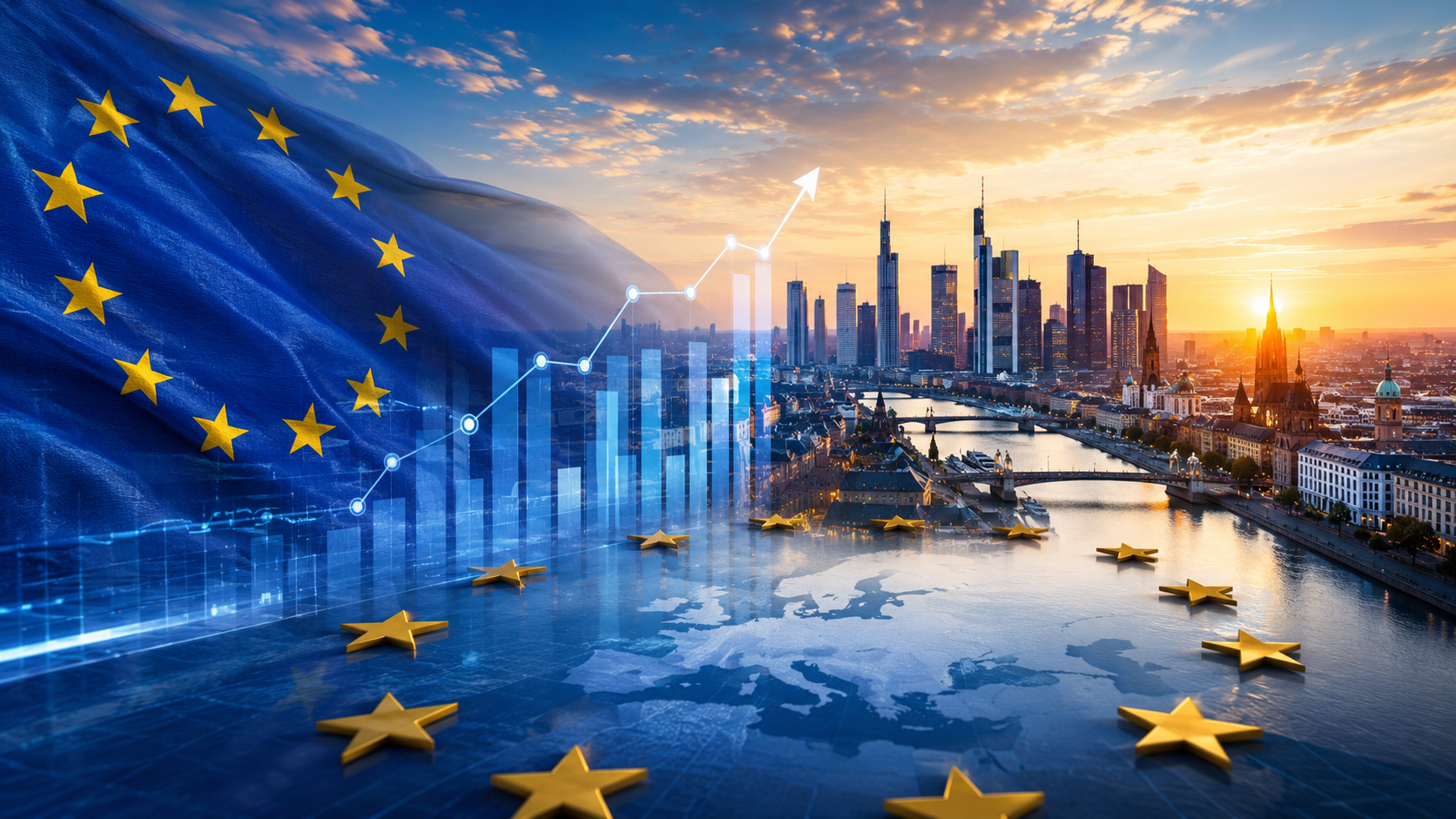
As Europe moves further into 2026, the economic landscape is gradually stabilising after several years marked by inflation, geopolitical uncertainty, supply chain disruptions, and elevated interest rates. While growth across the European Union is expected to remain moderate compared with pre-pandemic levels, a number of member states are emerging as clear outperformers thanks to structural reforms, technological innovation, resilient domestic demand, and strategic investment.
For global investors, multinational corporations, and policymakers, identifying Europe’s strongest-performing economies is increasingly important as capital seeks stable, high-growth destinations.
A New Phase for the European Economy
The European economy enters 2026 with several encouraging developments. Inflation has eased significantly from the peaks experienced during 2022 and 2023, allowing central banks to adopt a more supportive monetary stance. Falling financing costs are expected to stimulate business investment, while the European Union’s recovery funds continue to finance infrastructure, renewable energy, digital transformation, and advanced manufacturing.
Despite ongoing geopolitical risks and global trade uncertainties, Europe continues to demonstrate resilience through economic diversification and coordinated fiscal policies.
Five European Economies Expected to Perform Best in 2026
- Ireland – Europe’s Innovation and Technology Leader
Ireland is expected to remain one of Europe’s fastest-growing economies.
Its strengths include:
- Strong presence of multinational technology and pharmaceutical companies.
- Robust exports of digital services and life sciences.
- Continued foreign direct investment from the United States and Asia.
- Highly skilled English-speaking workforce.
- Competitive corporate tax framework alongside strong regulatory certainty.
The expansion of artificial intelligence, cloud computing, biotechnology and financial technology is likely to reinforce Ireland’s position as one of Europe’s premier investment destinations.
- Spain – Tourism and Green Energy Driving Growth
Spain has transformed from one of Europe’s most vulnerable economies into one of its stronger performers.
Key growth drivers include:
- Record international tourism.
- Large-scale renewable energy projects.
- Modern transport and logistics infrastructure.
- Significant investment from EU Recovery and Resilience funds.
- Expanding automotive and electric vehicle manufacturing.
Spain’s diversified economy and improving labour market continue to attract international investors seeking long-term opportunities.
- Poland – Central Europe’s Manufacturing Powerhouse
Although not yet part of the euro area, Poland continues to establish itself as one of Europe’s most dynamic economies.
Its competitive advantages include:
- Strong industrial production.
- Rapidly expanding technology sector.
- Growing domestic consumer market.
- Strategic location connecting Western and Eastern Europe.
- Increasing defence and infrastructure investment.
Poland is also becoming an important destination for supply chain diversification as manufacturers seek alternatives within Europe.
- Denmark – Sustainability Meets High Productivity
Denmark continues to rank among the world’s most competitive economies.
Growth is expected to be supported by:
- Leadership in renewable energy technologies.
- Advanced pharmaceutical industry.
- Highly productive workforce.
- Stable political and regulatory environment.
- Continued investment in digital infrastructure.
Its expertise in offshore wind energy, biotechnology and environmental technologies positions Denmark favourably as Europe accelerates its transition towards a low-carbon economy.
- Netherlands – Europe’s Logistics and Financial Gateway
The Netherlands remains one of Europe’s most internationally connected economies.
Key strengths include:
- Rotterdam, Europe’s largest seaport.
- Strong agricultural exports.
- Highly developed financial services sector.
- Advanced semiconductor and technology industries.
- Excellent logistics infrastructure.
As global trade patterns continue to evolve, the Netherlands is expected to benefit from its role as a major European distribution and investment hub.
Key Sectors Likely to Drive European Growth
Several industries are expected to outperform across Europe during 2026:
- Artificial Intelligence and Digital Services
- Semiconductor Manufacturing
- Renewable Energy
- Electric Vehicle Supply Chains
- Pharmaceutical and Biotechnology
- Defence Manufacturing
- Cybersecurity
- Financial Technology
- Advanced Manufacturing
- Green Hydrogen and Energy Storage
Governments across the European Union continue to prioritise investments in these strategic sectors to enhance long-term competitiveness.
Risks That Could Moderate Growth
While the overall outlook is constructive, several challenges remain:
- Geopolitical tensions affecting global trade.
- Volatility in energy markets.
- Labour shortages in highly skilled sectors.
- Slower-than-expected global economic growth.
- Fiscal pressures resulting from ageing populations.
- Potential trade disputes involving major global economies.
These risks underline the importance of continued structural reforms and coordinated policymaking across the European Union.
Investment Outlook
International investors are increasingly viewing Europe as a region offering stability, technological innovation and sustainable long-term growth. Countries with strong digital infrastructure, supportive business environments and ambitious green transition policies are expected to attract the largest share of foreign direct investment.
Infrastructure, artificial intelligence, clean energy, healthcare innovation and advanced manufacturing are likely to remain among the most attractive investment themes throughout 2026.
Conclusion
Europe’s economic outlook for 2026 reflects cautious optimism rather than rapid expansion. While growth is expected to vary across member states, Ireland, Spain, Poland, Denmark and the Netherlands are well positioned to outperform many of their European peers due to their resilient economies, innovation ecosystems and strategic investment priorities.
For businesses, institutional investors and policymakers, these five economies represent some of Europe’s most promising markets for expansion, capital allocation and long-term value creation. As the global economy continues to evolve, Europe’s ability to combine economic resilience with technological advancement and sustainability will remain central to its competitiveness on the world stage.
Share this post :
Facebook
Twitter
LinkedIn
Pinterest
Latest News

Can America Really Isolate Iran? The Limits of Economic Warfare in a Divided World
August 27, 2026
No Comments

Artificial Intelligence Must Serve Humanity, Not Just Shareholders
August 7, 2026
No Comments

Is India’s Young Generation Preparing to Overturn Traditional Politics?
August 4, 2026
No Comments