

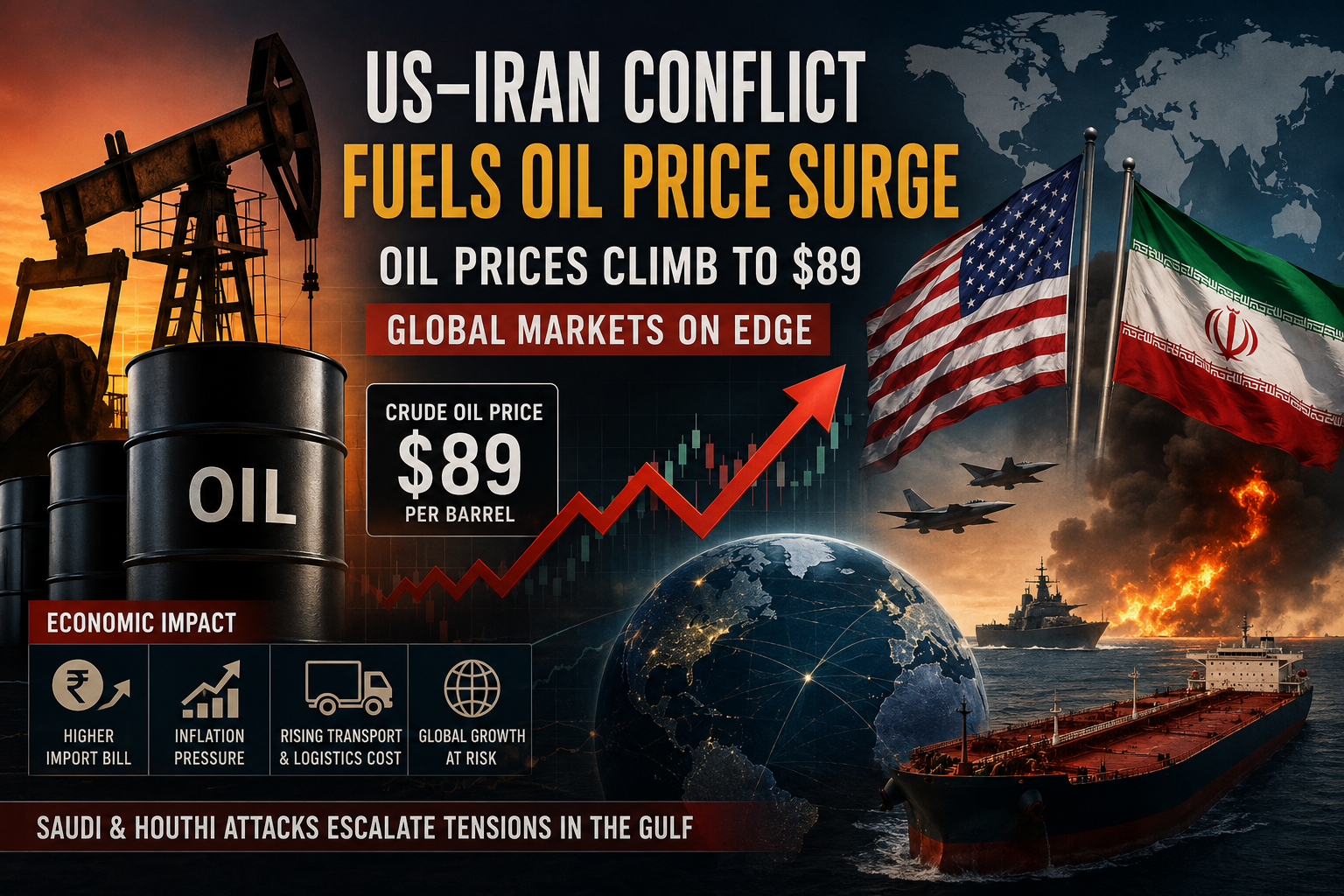
The Iran–United States Conflict: Where Does It End, and What Could It Mean for the Global Economy?
Potential public listings by two of the world’s most influential technology companies may reshape investment trends, capital flows and the global economic landscape.
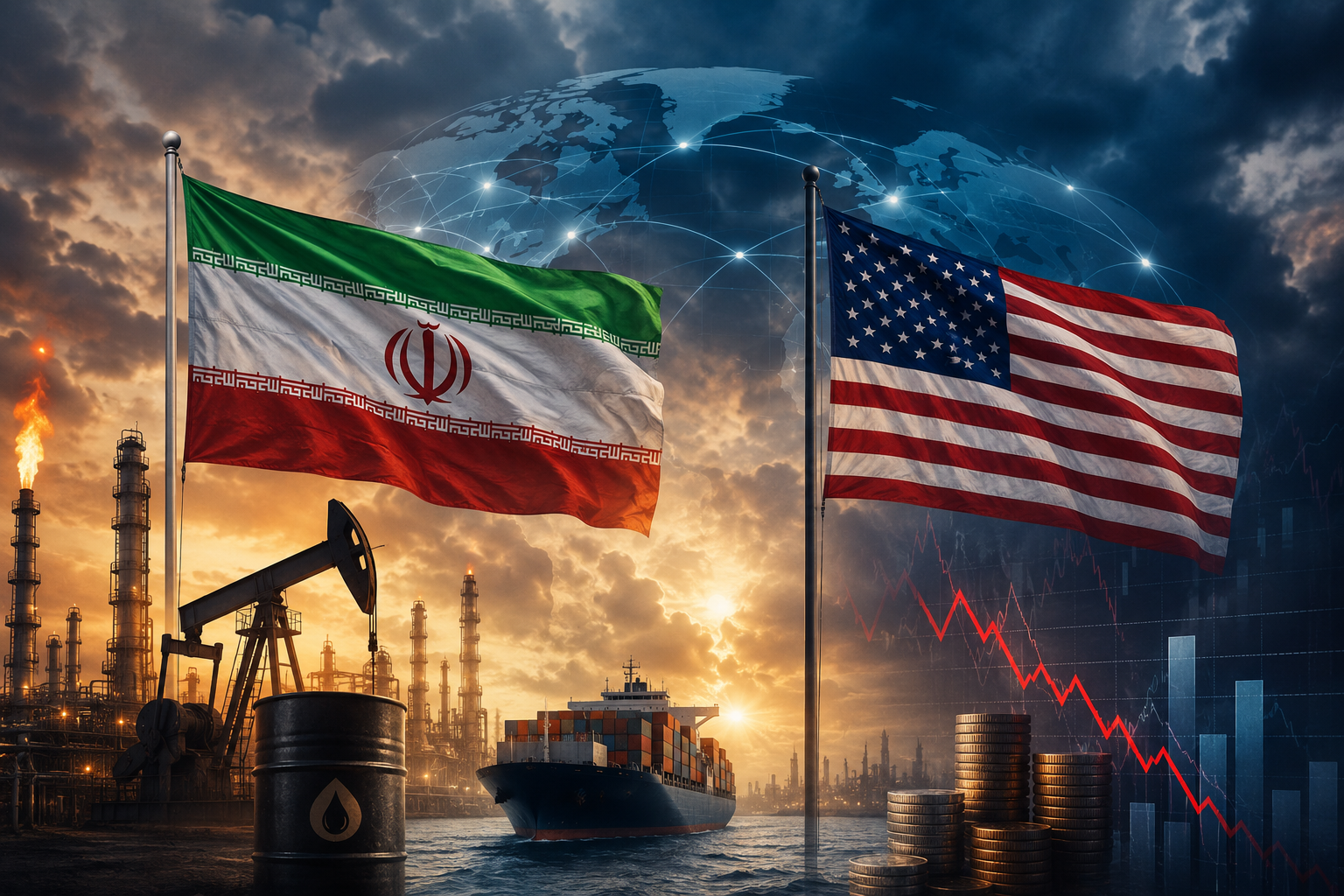
The continuing tensions between Iran and the United States remain one of the most significant geopolitical concerns facing the world today. While periods of confrontation and diplomacy have alternated over the years, every escalation raises the same critical question: Where does this conflict end, and what will be the cost to the global economy?
History has shown that conflicts involving major powers rarely remain confined to one region. The Middle East is central to global energy production, international shipping routes, and regional security. Any increase in military action or political instability can quickly affect countries far beyond the region itself.
One of the greatest concerns is the impact on global energy markets. If tensions disrupt oil production or shipping through key waterways, oil prices could rise sharply. Higher energy costs would increase transportation expenses, manufacturing costs, and household bills across the world. Businesses would face rising operating costs, while consumers would pay more for essential goods and services.
Financial markets are also highly sensitive to geopolitical uncertainty. Investors typically react cautiously during periods of conflict, leading to increased market volatility. Stock markets may decline, investment decisions may be delayed, and businesses could postpone expansion plans until greater stability returns.
International trade would also face significant challenges. Supply chains are already under pressure from recent global events, including the pandemic and regional conflicts. A prolonged confrontation between Iran and the United States could further disrupt shipping routes, increase insurance costs for cargo, and delay the movement of goods between continents.
Developing economies may experience the greatest difficulties. Many nations rely heavily on imported fuel and stable international trade. Rising energy prices and inflation could slow economic growth, increase government borrowing, and place additional pressure on families already facing higher living costs.
However, it is important to remember that diplomacy remains an alternative to military escalation. Throughout history, periods of heightened tension have often been followed by negotiations, mediated agreements, and international efforts to prevent wider conflict. While disagreements may continue, dialogue remains the most effective path towards long-term regional stability.
Our View
At Salt Global News, we believe that no nation truly benefits from prolonged conflict. Wars create humanitarian suffering, weaken economic confidence, and divert resources away from education, healthcare, innovation, and development. The global economy is deeply interconnected, meaning that instability in one region can affect livelihoods across the world.
The international community should continue encouraging diplomatic engagement, peaceful negotiations, and respect for international law. Political disagreements are inevitable, but resolving them through dialogue rather than military action offers the best opportunity for lasting peace and economic stability.
Looking Ahead
The future of Iran–United States relations remains uncertain. Much will depend on political leadership, diplomatic efforts, regional developments, and the willingness of all parties to avoid further escalation. While predicting the exact outcome is impossible, one fact is clear: prolonged instability would carry significant economic and humanitarian consequences for the entire world.
As global citizens, governments, businesses, and communities, we all have a shared interest in promoting peace, stability, and international cooperation. The choices made today will influence not only regional security but also the future of the global economy for years to come.
Share this post :
Facebook
Twitter
LinkedIn
Pinterest
Latest News
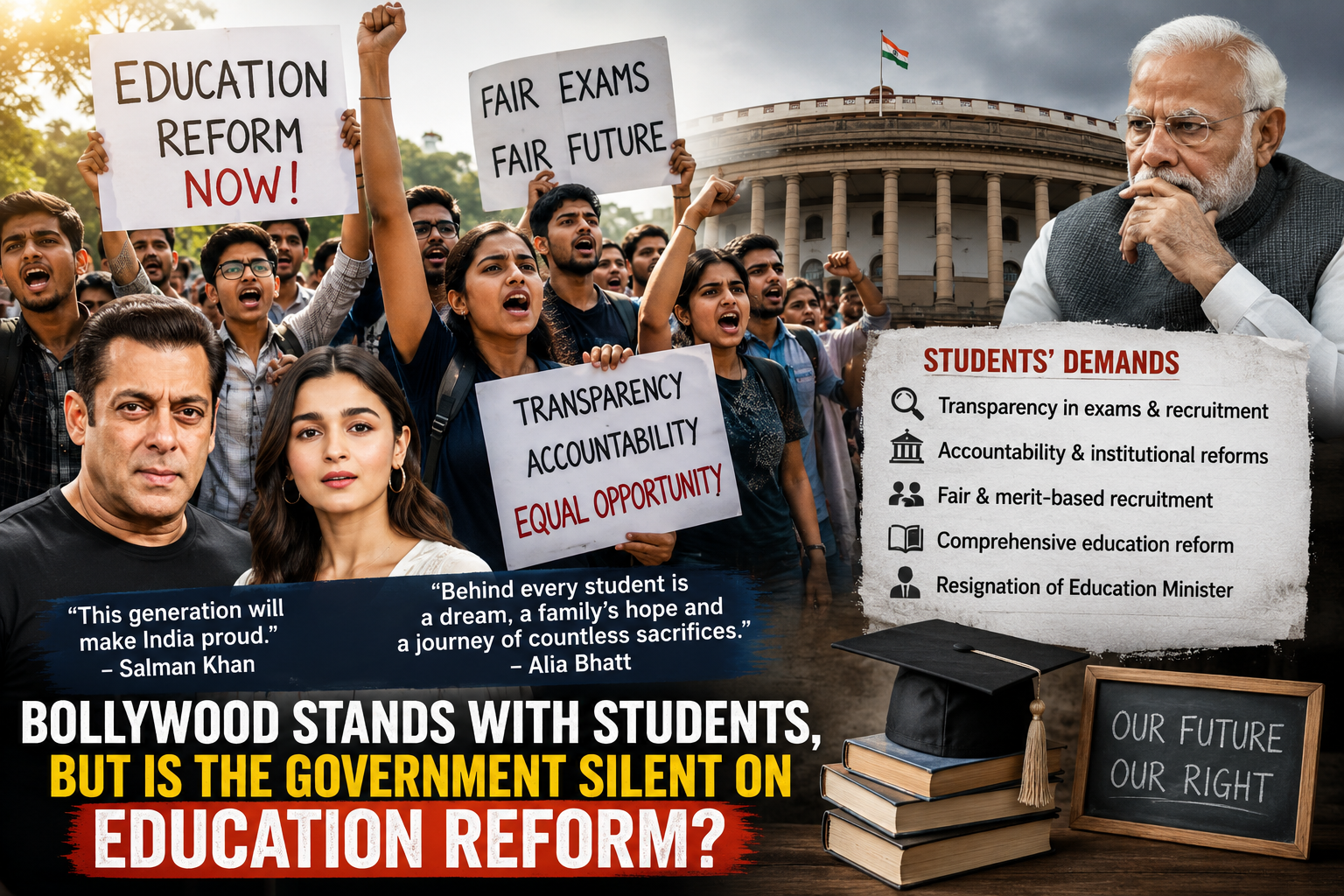
Bollywood Voices Support Students, But the Debate Returns to Education Reform
July 25, 2026
No Comments
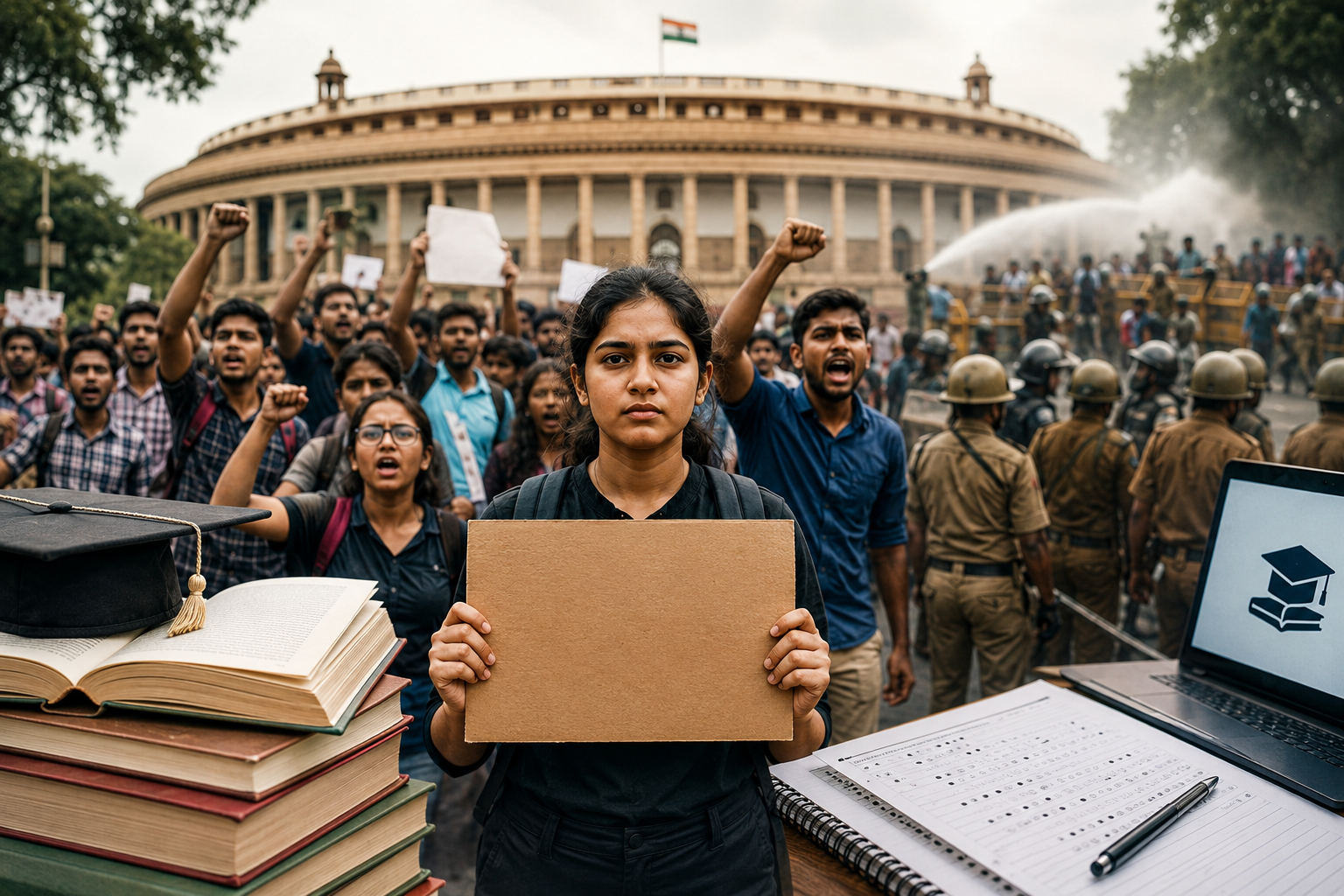
India’s Student Revolt: Beyond Political Blame, the Nation Needs Educational Reform
July 24, 2026
No Comments
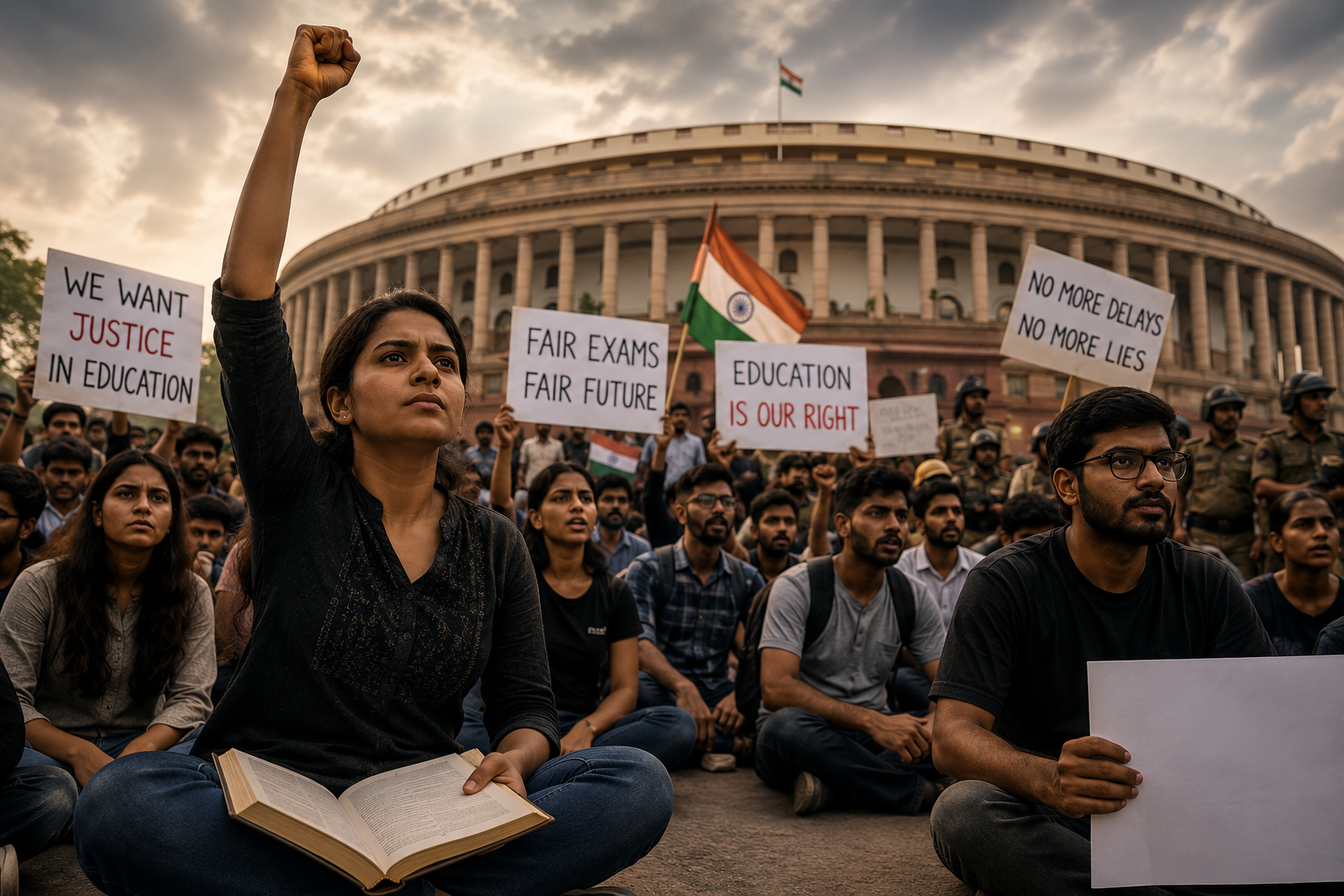
Editorial | India’s Education Crisis Demands Dialogue, Not Division
July 23, 2026
No Comments