


G7 at a Crossroads: Has a Decade of Summits Delivered Real Results?
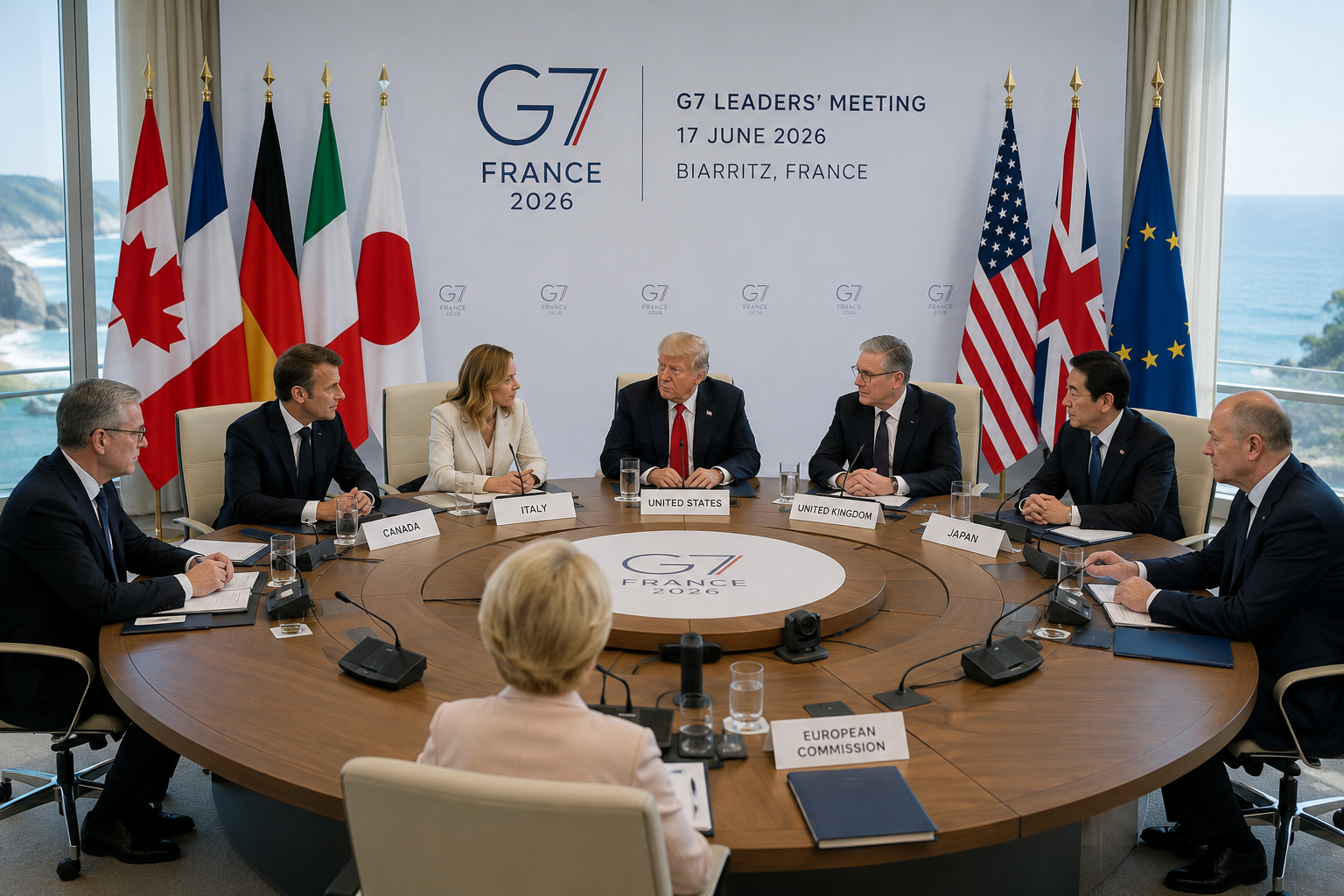
As leaders of the world’s most advanced economies gather once again under the banner of the Group of Seven (G7), questions are increasingly being raised about whether the annual summit continues to deliver meaningful results for ordinary citizens or has become largely a platform for diplomatic symbolism.
Over the past decade, the G7 has convened regularly to address some of the most pressing global challenges, including economic instability, climate change, geopolitical conflicts, public health crises and energy security. While the forum has undoubtedly played a role in shaping international policy responses, critics argue that its achievements have often fallen short of expectations.
The G7, comprising Canada, France, Germany, Italy, Japan, the United Kingdom and the United States, alongside the European Union, represents some of the world’s wealthiest economies. Collectively, these nations account for a significant share of global economic output and financial influence.
However, despite repeated declarations and joint communiqués, many of the issues discussed at successive summits remain unresolved.
Notable Achievements
Supporters of the G7 point to several significant accomplishments. During the COVID-19 pandemic, member nations coordinated vaccine funding, economic support measures and public health initiatives. The group also played a central role in imposing sanctions on Russia following the invasion of Ukraine and helped advance discussions that led to the adoption of a global minimum corporate tax framework.
In addition, the G7 has increasingly focused on energy security, supply chain resilience and technological cooperation as geopolitical tensions continue to reshape global trade patterns.
These initiatives have had tangible impacts on international markets and government policy.
The Gap Between Policy and Public Perception
Yet for many citizens across both developed and developing economies, the practical benefits of these initiatives remain difficult to identify.
Inflationary pressures, rising public debt, housing affordability concerns and growing economic inequality continue to affect millions of households worldwide. Climate change targets remain largely unmet, while conflicts in regions such as Eastern Europe and the Middle East continue to threaten global stability.
The contrast between ambitious summit declarations and limited visible improvements in daily life has fuelled scepticism regarding the effectiveness of the forum.
Critics argue that the substantial public resources devoted to hosting and securing annual summits should be measured against clear and measurable outcomes rather than diplomatic statements alone.
A Changing Global Landscape
Another challenge facing the G7 is the changing balance of global economic power.
When the forum was established in the 1970s, its members dominated the global economy. Today, however, emerging powers such as India, China, Brazil and Saudi Arabia play increasingly influential roles in international trade, investment and energy markets.
As a result, some analysts believe that broader forums such as the G20 are better positioned to address modern global challenges due to their wider representation of developed and emerging economies.
The growing importance of Asia, the Middle East and other emerging regions has prompted calls for international institutions to evolve in line with the realities of the twenty-first century.
Symbolism or Substance?
The debate surrounding the G7 ultimately centres on whether the forum’s value lies in concrete outcomes or in its ability to foster dialogue among leading economies.
Supporters contend that international cooperation often occurs behind closed doors and that the summit provides an essential platform for building consensus on complex global issues. Critics counter that the world requires more decisive action and measurable progress rather than recurring declarations and photo opportunities.
The truth may lie somewhere between these two perspectives.
The G7 remains one of the world’s most influential diplomatic forums, but its long-term relevance will increasingly depend on its ability to deliver results that extend beyond government communiqués and are felt by businesses, communities and households across the globe.
As the world confronts economic uncertainty, geopolitical fragmentation and rapid technological change, the question facing the G7 is no longer whether it can convene global leaders. It is whether it can convert influence into meaningful outcomes for the people those leaders represent.
Share this post :
Facebook
Twitter
LinkedIn
Pinterest
Latest News

₹22,006 Crore vs ₹6.25 Crore: Inside the Subhash Chandra Insolvency Controversy
September 1, 2026
No Comments

Can America Really Isolate Iran? The Limits of Economic Warfare in a Divided World
August 27, 2026
No Comments

Artificial Intelligence Must Serve Humanity, Not Just Shareholders
August 7, 2026
No Comments